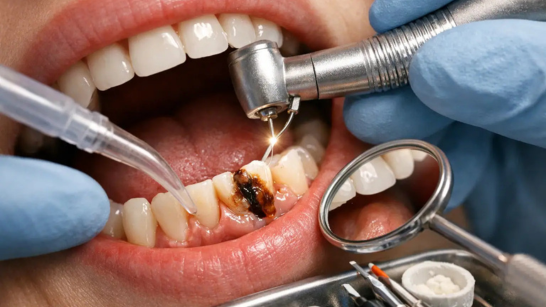
Tooth Decay Explained: Why It Happens and How a Dentist Can Easily Fix It
Short Description: Tooth decay is one of the most common dental problems worldwide, yet many people delay treatment out of fear or misunderstanding. This blog breaks down what causes tooth decay, how to spot it early, and how simple, modern dental treatments make curing it easier than ever.
Tooth decay is often talked about like it’s an unavoidable part of life — something that happens to everyone eventually, no matter how well you take care of your teeth. While it’s true that tooth decay is incredibly common, the good news is that it’s also one of the most preventable and treatable dental conditions out there. Thanks to advances in modern dentistry, what once required painful, invasive procedures can now often be treated quickly, comfortably, and effectively.
If you’ve ever felt a twinge of sensitivity while eating something sweet or noticed a small dark spot on a tooth, you may be dealing with early-stage tooth decay. Rather than ignoring it or panicking, understanding the condition — and knowing that a dentist can resolve it with relative ease — can help you approach treatment with confidence instead of dread.
What Exactly Is Tooth Decay?
Tooth decay, also known as dental caries or cavities, occurs when the hard outer layer of a tooth, called enamel, is gradually broken down by acids produced by bacteria in the mouth. Every day, plaque — a sticky film of bacteria — forms on your teeth. When you eat or drink anything containing sugar or starch, these bacteria feed on the particles left behind and produce acid as a byproduct. Over time, this acid erodes the enamel, creating small holes or cavities.
If left untreated, decay doesn’t stop at the enamel. It can progress into the dentin, the softer layer beneath the enamel, and eventually reach the pulp — the innermost part of the tooth containing nerves and blood vessels. This is when tooth decay transitions from a minor issue into a painful, more complex problem requiring more extensive treatment.
What Causes Tooth Decay?
Several everyday factors contribute to the development of tooth decay, including:
Poor oral hygiene: Infrequent brushing and flossing allow plaque to build up, giving bacteria more time to produce enamel-damaging acid.
Sugary and starchy foods: Frequent consumption of sweets, sodas, bread, and processed snacks fuels the bacteria responsible for decay.
Dry mouth: Saliva helps wash away food particles and neutralize acids. Reduced saliva flow, whether from medication, medical conditions, or dehydration, increases decay risk.
Acidic foods and drinks: Citrus fruits, sports drinks, and carbonated beverages can wear down enamel directly, even without bacterial involvement.
Infrequent dental visits: Skipping regular checkups means minor decay often goes undetected until it becomes more serious.
Age factors: Both young children (due to developing enamel and sugary diets) and older adults (due to receding gums exposing root surfaces) are particularly vulnerable to decay.
Understanding these risk factors is the first step toward prevention — but even with the best habits, cavities can still happen. That’s where a dentist comes in.
Recognizing the Early Signs of Tooth Decay
Tooth decay doesn’t always announce itself with obvious pain, especially in its early stages. Common warning signs include:
- Tooth sensitivity to hot, cold, or sweet foods
- Visible white, brown, or black spots on teeth
- Small holes or pits you can see or feel with your tongue
- Persistent bad breath
- Mild to moderate toothache, especially when chewing
- Pain that worsens over time if untreated
Because early decay is often painless, regular dental checkups are essential for catching problems before they escalate. Dentists use visual examinations, probing tools, and X-rays to detect decay long before it becomes noticeable to the patient.
Why Tooth Decay Doesn’t Have to Be Scary
For many people, the word “cavity” triggers memories of uncomfortable dental visits or fear of needles and drills. But modern dentistry has transformed the experience of treating tooth decay into a routine, manageable procedure. Here’s why there’s no need to dread it:
Treatments are quick. Many cavity treatments, such as fillings, can be completed in a single visit lasting less than an hour.
Pain management has improved significantly. Local anesthesia numbs the area effectively, and many dental practices offer additional comfort options like sedation dentistry for anxious patients.
Materials are more natural-looking than ever. Tooth-colored composite fillings blend seamlessly with your natural teeth, unlike the noticeable metal fillings of the past.
Technology has made diagnosis more precise. Digital X-rays and intraoral cameras allow dentists to catch and treat decay earlier and more accurately than ever before.
The bottom line: tooth decay, when caught early, is one of the simplest dental issues to resolve.
How Dentists Treat Tooth Decay
The specific treatment a dentist recommends depends on how advanced the decay is. Here’s a breakdown of the most common approaches, from mild to more serious cases.
1. Fluoride Treatments (Earliest Stage)
In the very earliest stages of decay, before a cavity has fully formed, fluoride treatments can actually reverse the damage. Fluoride helps remineralize weakened enamel, strengthening it and halting the progression of decay. This non-invasive treatment is quick, painless, and often used for both children and adults showing early warning signs.
2. Dental Fillings (Mild to Moderate Decay)
Once a cavity has formed, a filling is the most common and straightforward treatment. The process involves:
- Numbing the affected area with local anesthesia
- Removing the decayed portion of the tooth using a dental drill or laser
- Cleaning the cavity to remove bacteria and debris
- Filling the space with a tooth-colored composite resin (or occasionally amalgam)
- Shaping and polishing the filling to match your natural bite
This entire process typically takes 20 to 45 minutes per tooth, and most patients experience little to no discomfort beyond mild sensitivity for a day or two afterward.
3. Dental Crowns (Moderate to Severe Decay)
When decay is more extensive and a filling wouldn’t provide enough structural support, a dentist may recommend a crown. This involves removing the decayed portion, shaping the remaining tooth, and covering it with a custom-made cap that restores strength and function. Crowns are also commonly used after root canal treatment to protect the tooth long-term.
4. Root Canal Therapy (Advanced Decay)
If decay has reached the pulp of the tooth, causing infection or severe pain, root canal therapy becomes necessary. While root canals have a reputation for being painful, modern techniques and anesthesia have made the procedure comparable to getting a routine filling in terms of discomfort. During a root canal, the dentist removes the infected pulp, cleans and disinfects the inner chamber, and seals the tooth, often followed by a crown for added protection.
5. Tooth Extraction (Severe, Untreatable Decay)
In cases where decay has destroyed too much of the tooth structure to save it, extraction may be the only option. While this sounds drastic, it’s typically reserved for the most advanced cases, and modern replacement options like dental implants or bridges can restore both function and appearance afterward.
The key takeaway here is that the earlier decay is caught, the simpler and less invasive the treatment will be. This is precisely why regular dental checkups are so valuable — they allow dentists to intervene at the fluoride-treatment or filling stage, long before more complex procedures like root canals or extractions become necessary.
Preventing Tooth Decay: Simple Habits That Make a Big Difference
While dentists can easily treat tooth decay, prevention remains the best strategy. A few consistent habits can dramatically reduce your risk:
- Brush twice daily with fluoride toothpaste for at least two minutes each time
- Floss daily to remove plaque and food particles between teeth
- Limit sugary and starchy snacks, especially between meals
- Drink plenty of water to support saliva production and rinse away food particles
- Consider dental sealants, especially for children, to protect molars from decay
- Visit your dentist every six months for checkups and professional cleanings
These small, consistent habits create a strong defense against tooth decay, reducing the likelihood that you’ll need more involved treatment down the line.
Don’t Let Fear Delay Treatment
One of the biggest mistakes people make with tooth decay is delaying treatment out of fear or the assumption that it will resolve on its own. Unfortunately, tooth decay never reverses itself once a cavity has formed — it only gets worse over time. What could have been a simple, 30-minute filling can turn into a root canal or extraction if ignored for months or years.
The most important thing to remember is that dentists treat tooth decay every single day. It’s one of the most routine procedures in modern dentistry, and dental professionals are well-equipped with the tools, techniques, and pain management strategies to make the process as smooth and comfortable as possible.
Final Thoughts
Tooth decay might be common, but it’s far from unmanageable. With a clear understanding of what causes it, how to spot the early warning signs, and how straightforward modern treatment options are, there’s no reason to let fear or uncertainty stand between you and a healthy smile. Whether it’s a simple fluoride treatment, a quick filling, or a more involved procedure, your dentist has the expertise to resolve tooth decay efficiently and comfortably.
If you suspect you might have a cavity — or if it’s simply been a while since your last checkup — don’t wait for the pain to worsen. Schedule an appointment with your dentist today. The sooner tooth decay is addressed, the easier, faster, and more affordable the treatment will be.