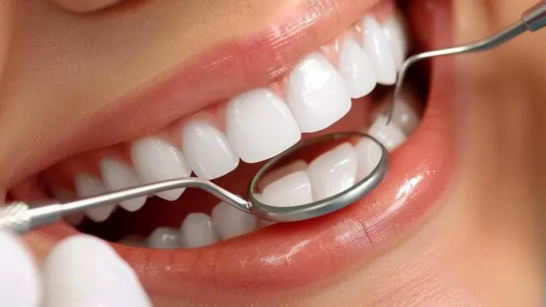
Teeth Whitening Facts You Need to Know Before Your Next Smile Makeover
Short Description: Thinking about teeth whitening but not sure what’s myth and what’s real? This guide covers the essential teeth whitening facts — from how it actually works to safety, cost, and long-term results — so you can brighten your smile the smart way.
A bright, white smile is one of the most sought-after beauty goals today, and it’s no surprise why. Teeth whitening is quick, non-invasive, and can dramatically boost confidence. But with so many products on the market — from professional treatments to drugstore strips to viral social media hacks — it’s easy to get confused about what actually works, what’s safe, and what’s simply marketing hype.
Before you commit to any teeth whitening treatment, it’s worth understanding the facts. This guide breaks down everything you need to know about teeth whitening, helping you separate science from myth so you can make an informed decision about your smile.
Fact #1: Not All Teeth Whitening Methods Are Created Equal
One of the most important teeth whitening facts to understand is that results vary dramatically depending on the method used. Broadly speaking, whitening options fall into three categories:
In-office professional whitening: Performed by a dentist, this method uses high-concentration bleaching agents combined with special lights or lasers to accelerate the process. Results are typically immediate and dramatic, often lightening teeth by several shades in a single session.
Take-home professional kits: Dentists can provide custom-fitted trays along with a professional-grade whitening gel for use at home. This method takes longer than in-office treatments but still delivers reliable, dentist-supervised results.
Over-the-counter products: Whitening strips, toothpaste, and gels available at drugstores use lower concentrations of bleaching agents. While convenient and affordable, they generally produce slower, less dramatic results compared to professional options.
Choosing the right method depends on your budget, timeline, and how significant a change you’re hoping to achieve.
Fact #2: Teeth Whitening Works Primarily on Surface and Deeper Stains

Teeth whitening treatments are effective because they target two types of stains:
Extrinsic stains: These are surface-level stains caused by food, drinks (like coffee, tea, and red wine), and smoking. They sit on the enamel and are generally the easiest to treat.
Intrinsic stains: These occur within the tooth structure itself, often due to aging, certain medications, or trauma. Intrinsic stains typically require stronger treatments or a longer whitening process to see noticeable results.
Understanding which type of staining you’re dealing with can help set realistic expectations. A dentist can assess your teeth and recommend the most effective whitening approach based on your specific stain type.
Fact #3: Whitening Doesn’t Work on All Dental Work
Here’s a teeth whitening fact many people don’t realize until it’s too late: whitening treatments only work on natural tooth enamel. Crowns, veneers, fillings, and bonding material do not respond to bleaching agents the way natural teeth do.
This means if you have visible dental restorations, whitening your natural teeth could result in a mismatched smile, with your restorations appearing noticeably different in shade compared to your now-brighter natural teeth. If this applies to you, it’s worth discussing options with your dentist before starting a whitening treatment, as they may recommend replacing visible restorations after whitening to ensure a uniform look.
Fact #4: Whitening Isn’t Permanent
Many people assume that once they’ve achieved a bright white smile, it will stay that way indefinitely. Unfortunately, teeth whitening results are not permanent. Depending on your lifestyle habits — particularly your consumption of staining foods and drinks, along with smoking — results can last anywhere from a few months to a couple of years.
To maintain your results, dentists often recommend:
- Touch-up treatments every six months to a year
- Using whitening toothpaste for maintenance between treatments
- Limiting stain-causing foods and beverages
- Practicing good oral hygiene, including regular brushing and flossing
Setting realistic expectations about the longevity of your results can help you plan for maintenance and avoid disappointment down the line.
Fact #5: Sensitivity Is Common, But Usually Temporary
If you’ve heard horror stories about tooth sensitivity after whitening, you’re not alone — it’s one of the most commonly reported side effects. Whitening agents work by penetrating the enamel to break down stain molecules, which can temporarily increase tooth sensitivity to hot and cold temperatures.
The good news is that this sensitivity is typically mild and resolves within a few days after treatment. Dentists often recommend using desensitizing toothpaste before and after whitening treatments to minimize discomfort. Professional whitening treatments, supervised by a dentist, also tend to cause less sensitivity than aggressive at-home or unregulated methods, since dosage and application are carefully controlled.
Fact #6: DIY and Viral Whitening Hacks Can Do More Harm Than Good
Social media is full of teeth whitening “hacks” involving ingredients like baking soda, activated charcoal, lemon juice, or hydrogen peroxide mixtures. While these might seem like affordable, natural alternatives, many dental professionals caution against them.
Here’s why:
Abrasive ingredients can damage enamel. Charcoal and baking soda are abrasive and, with frequent use, can wear down protective enamel, ironically making teeth appear more yellow over time as the dentin beneath becomes more visible.
Acidic ingredients can erode enamel. Lemon juice and other acidic remedies can weaken enamel, increasing the risk of sensitivity and long-term dental damage.
Unregulated concentrations are unpredictable. Homemade hydrogen peroxide solutions lack the precise concentration control of professional products, increasing the risk of gum irritation or chemical burns.
While these hacks may circulate widely online, dental professionals generally recommend sticking to clinically tested, dentist-approved whitening methods for both safety and effectiveness.
Fact #7: Whitening Is Generally Safe — When Done Correctly
Despite some of the risks associated with unregulated methods, professional teeth whitening is considered a safe cosmetic dental procedure when performed under the guidance of a dentist. Dental professionals assess your oral health beforehand to ensure whitening is appropriate for you, taking into account factors like:
- Existing cavities or gum disease (which should be treated first)
- Tooth sensitivity history
- The presence of visible dental restorations
- Enamel thickness and overall dental health
This professional oversight significantly reduces the risk of complications compared to over-the-counter or DIY alternatives, making it the safer choice for most patients seeking noticeable, lasting results.
Fact #8: Whitening Won’t Work the Same for Everyone
Not everyone will see identical results from teeth whitening, even using the same product or treatment. Several factors influence how well your teeth respond, including:
- The original shade and type of staining
- Enamel thickness (thinner enamel may show more dramatic results, as more dentin is exposed)
- Age, since enamel naturally thins over time
- Genetics, which influence natural tooth color
A dentist can provide a realistic assessment of how much whitening improvement you can expect based on these individual factors, helping you avoid unrealistic expectations set by heavily edited “before and after” photos online.
Fact #9: Whitening Is More Than Just Cosmetic
While teeth whitening is primarily a cosmetic dental treatment, choosing a professional option often comes with added benefits beyond a brighter smile. Since whitening treatments are typically performed or supervised by a dentist, they often coincide with a broader oral health checkup. This means potential issues like cavities, gum disease, or enamel erosion may be caught and addressed at the same time, adding a preventive care benefit to what might otherwise be viewed as a purely aesthetic treatment.
Fact #10: Timing and Preparation Matter
For the best possible results, dentists often recommend specific preparation steps before undergoing a whitening treatment:
- Schedule a professional cleaning beforehand to remove surface plaque and tartar, allowing the whitening agent to work more effectively
- Avoid whitening immediately after other dental procedures, such as fillings or extractions, to allow proper healing
- Discuss any sensitivity concerns with your dentist beforehand so a suitable treatment plan can be created
Taking these preparatory steps can significantly improve both the safety and effectiveness of your whitening treatment.
Choosing the Right Whitening Option for You
With so many teeth whitening options available, the right choice ultimately depends on your goals, budget, and dental history. If you’re looking for fast, dramatic results and want professional guidance to minimize risks, in-office whitening is likely your best option. If you prefer a more gradual approach with lower cost, dentist-provided take-home kits offer a reliable middle ground. Over-the-counter products can work well for minor touch-ups but shouldn’t be relied upon for significant staining or long-term maintenance.
Regardless of which method you choose, consulting with a dentist beforehand ensures you’re making a safe, informed decision tailored to your unique dental needs.
Final Thoughts
Teeth whitening remains one of the most popular and effective cosmetic dental treatments available, but understanding the facts behind it is essential for achieving safe, satisfying results. From knowing which stains respond best to treatment, to understanding why professional supervision matters, being informed helps you avoid common pitfalls and unrealistic expectations.
If you’re considering brightening your smile, start by consulting with a dentist who can assess your oral health, explain your options, and help you choose the safest, most effective path toward the smile you’re looking for. A little research now can save you from disappointment — and potential dental damage — later.