Invisalign 101: Everything You Need to Know Before Straightening Your Smile
Short Description: Considering Invisalign but not sure where to start? This complete guide covers how Invisalign works, its benefits, cost, treatment timeline, and what to expect — everything you need to know to decide if clear aligners are right for your smile.
For decades, braces meant one thing: a mouth full of metal brackets and wires. But today, thanks to advances in orthodontic technology, there’s a far more discreet way to achieve a straighter smile — Invisalign. As one of the most popular clear aligner systems in the world, Invisalign has transformed the way people think about orthodontic treatment, offering a virtually invisible, removable, and comfortable alternative to traditional braces.
If you’re considering Invisalign but aren’t quite sure how it works, whether it’s right for you, or what the treatment process actually involves, this guide covers everything you need to know before booking that first consultation.
What Is Invisalign?

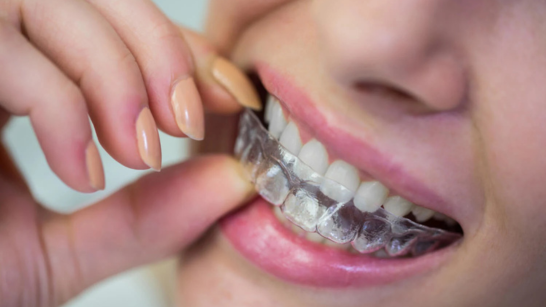
Invisalign is a brand of clear aligners used to gradually straighten teeth without the need for traditional metal braces. Instead of brackets and wires, Invisalign uses a series of custom-made, clear plastic trays that fit snugly over your teeth. Each set of aligners is designed to shift your teeth incrementally, moving them closer to their ideal position over time.
Unlike traditional braces, which are fixed to your teeth for the duration of treatment, Invisalign aligners are removable, allowing you to take them out for eating, brushing, and special occasions. This flexibility, combined with their nearly invisible appearance, has made Invisalign an increasingly popular choice for both teenagers and adults seeking a straighter smile without the aesthetic and lifestyle limitations of metal braces.
How Does Invisalign Work?
The Invisalign process begins with a consultation with a dentist or orthodontist trained in the system. During this visit, your provider will:
- Evaluate your teeth and bite to determine if Invisalign is a suitable treatment option
- Take digital scans or impressions of your teeth to create a 3D model
- Use specialized software to map out a customized treatment plan, showing the projected movement of your teeth at each stage
Once your treatment plan is finalized, a series of custom aligners is manufactured specifically for your mouth. You’ll wear each set of aligners for about one to two weeks before switching to the next set in the series, with each new tray designed to move your teeth slightly further toward their final position.
Most patients wear their aligners for 20 to 22 hours per day, removing them only for eating, drinking (except water), brushing, and flossing. This consistency is key to achieving predictable, timely results.
How Long Does Invisalign Treatment Take?
Treatment length varies significantly depending on the complexity of your case. On average, Invisalign treatment takes anywhere from 6 to 18 months, though some minor cases may be resolved in as little as a few months, while more complex alignment issues could take longer.
Factors that influence treatment duration include:
- The severity of misalignment or crowding
- Whether you’re addressing bite issues (such as overbite, underbite, or crossbite)
- How consistently you wear your aligners for the recommended 20-22 hours daily
- Your age, as treatment can sometimes take longer for adults compared to teenagers due to denser jawbone structure
Your dentist or orthodontist will provide a personalized timeline estimate during your initial consultation, based on a detailed assessment of your teeth and treatment goals.
What Can Invisalign Treat?
Invisalign has become increasingly versatile over the years, capable of addressing a wide range of orthodontic issues, including:
Crowded teeth: When there isn’t enough space in the jaw for all teeth to fit properly, causing overlapping or twisted teeth.
Gapped teeth: Noticeable spaces between teeth, often caused by missing teeth, undersized teeth, or jaw growth abnormalities.
Overbite: When the upper teeth significantly overlap the lower teeth vertically.
Underbite: When the lower teeth protrude further than the upper teeth.
Crossbite: When some upper teeth sit inside the lower teeth rather than outside, affecting proper bite alignment.
Open bite: When the upper and lower teeth don’t touch when the mouth is closed, often due to thumb-sucking habits or jaw structure.
While Invisalign can treat many orthodontic issues effectively, particularly severe cases may still require traditional braces or a combination of treatments. A consultation with a qualified provider is the best way to determine whether Invisalign is a suitable option for your specific needs.
Invisalign vs. Traditional Braces: Key Differences
Choosing between Invisalign and traditional braces often comes down to personal preference, lifestyle, and the complexity of your orthodontic needs. Here’s how they compare:
Appearance: Invisalign aligners are clear and far less noticeable than metal braces, making them a popular choice for image-conscious teens and adults, particularly in professional settings.
Comfort: Invisalign aligners are made of smooth plastic, reducing the irritation to cheeks and gums that metal brackets and wires can sometimes cause.
Removability: Unlike fixed braces, Invisalign aligners can be removed for eating, brushing, and special events, offering more dietary freedom and easier oral hygiene maintenance.
Maintenance: Traditional braces require periodic tightening appointments, while Invisalign involves switching to new aligner trays roughly every one to two weeks, with less frequent office visits required.
Effectiveness for complex cases: Traditional braces are sometimes more effective for severe misalignment or complex bite issues, as they offer more control over certain types of tooth movement.
Discipline required: Since Invisalign aligners are removable, successful treatment depends on patient compliance. Traditional braces, being fixed, don’t rely on the same level of self-discipline.
Both options are effective at achieving a straighter smile, so the right choice ultimately depends on your specific orthodontic needs, lifestyle, and personal preferences.
The Benefits of Invisalign
Invisalign’s rise in popularity isn’t just about aesthetics. Patients cite several key benefits when choosing this treatment:
Discreet appearance: The clear design makes Invisalign virtually invisible in everyday interactions, ideal for adults in professional environments or anyone hesitant about the look of metal braces.
Removability for eating and cleaning: Since aligners can be taken out, there are no dietary restrictions like there are with traditional braces, and brushing and flossing remain straightforward.
Comfort: Smooth plastic trays mean no metal brackets or wires causing irritation or requiring wax to prevent discomfort.
Fewer office visits: While regular check-ins are still necessary, Invisalign generally requires less frequent adjustments compared to traditional braces.
Predictable results: Digital treatment planning allows both patients and providers to preview the projected outcome before treatment even begins, offering more transparency throughout the process.
Potential Drawbacks to Consider
While Invisalign offers many advantages, it’s not without limitations:
Requires discipline: Since aligners must be worn 20-22 hours daily to be effective, patients who struggle with compliance may experience delayed results.
Not ideal for severe cases: Complex orthodontic issues may still require traditional braces or a combination approach.
Cost: Invisalign treatment can be comparable to, or in some cases more expensive than, traditional braces, depending on the complexity of the case and geographic location.
Temporary speech changes: Some patients experience a slight lisp when first wearing aligners, though this typically resolves within a few days as the tongue adjusts.
Discussing these factors with your dentist or orthodontist can help set realistic expectations before starting treatment.
How Much Does Invisalign Cost?
Invisalign treatment costs vary based on factors like case complexity, treatment duration, and geographic location. On average, Invisalign treatment can range from a couple thousand dollars up to $8,000 or more for complex cases, comparable to the cost range of traditional braces.
Many dental insurance plans now offer partial coverage for Invisalign, particularly when treatment addresses functional bite issues rather than purely cosmetic concerns. Additionally, many dental practices offer flexible payment plans or financing options to make treatment more accessible.
Caring for Your Invisalign Aligners
Proper care of your aligners ensures both effective treatment and good oral hygiene throughout the process. Recommended care practices include:
- Cleaning aligners daily with a soft toothbrush and lukewarm water (avoid hot water, which can warp the plastic)
- Brushing and flossing teeth before reinserting aligners after meals
- Storing aligners in their case when not in use to avoid loss or damage
- Avoiding eating or drinking anything other than water while wearing aligners to prevent staining or damage
Following these simple habits helps maintain both the clarity of your aligners and the health of your teeth throughout treatment.
Is Invisalign Right for You?
Invisalign works well for a wide range of patients, but the best way to determine if it’s right for you is through a professional consultation. During this visit, a dentist or orthodontist will assess your teeth, discuss your goals, and help you understand whether Invisalign — or an alternative treatment — is the most suitable path toward your ideal smile.
Both teenagers and adults have successfully used Invisalign to address a variety of orthodontic concerns, making it a versatile option for anyone seeking a straighter smile without the visibility and lifestyle adjustments associated with traditional braces.
Final Thoughts
Invisalign has revolutionized the way people approach orthodontic treatment, offering a discreet, comfortable, and effective alternative to traditional braces. From treating crowded teeth and gaps to correcting various bite issues, Invisalign provides a flexible solution suited to many different lifestyles and needs.
If you’ve been considering straightening your smile but have hesitated due to concerns about appearance or comfort, Invisalign might be exactly the solution you’ve been looking for. The best next step is scheduling a consultation with a qualified dental professional who can evaluate your specific case and guide you through a personalized treatment plan — bringing you one step closer to the confident, straight smile you’ve always wanted.